
Development Finance
Development finance can help fund a property project from site purchase through to completion.
It is often used for new builds, conversions, heavy refurbishments, mixed-use schemes and larger property projects where a standard mortgage is not suitable.
At Trinity Mortgages, we help UK borrowers understand how development finance works, what lenders may need, and how funding can be structured around the build.
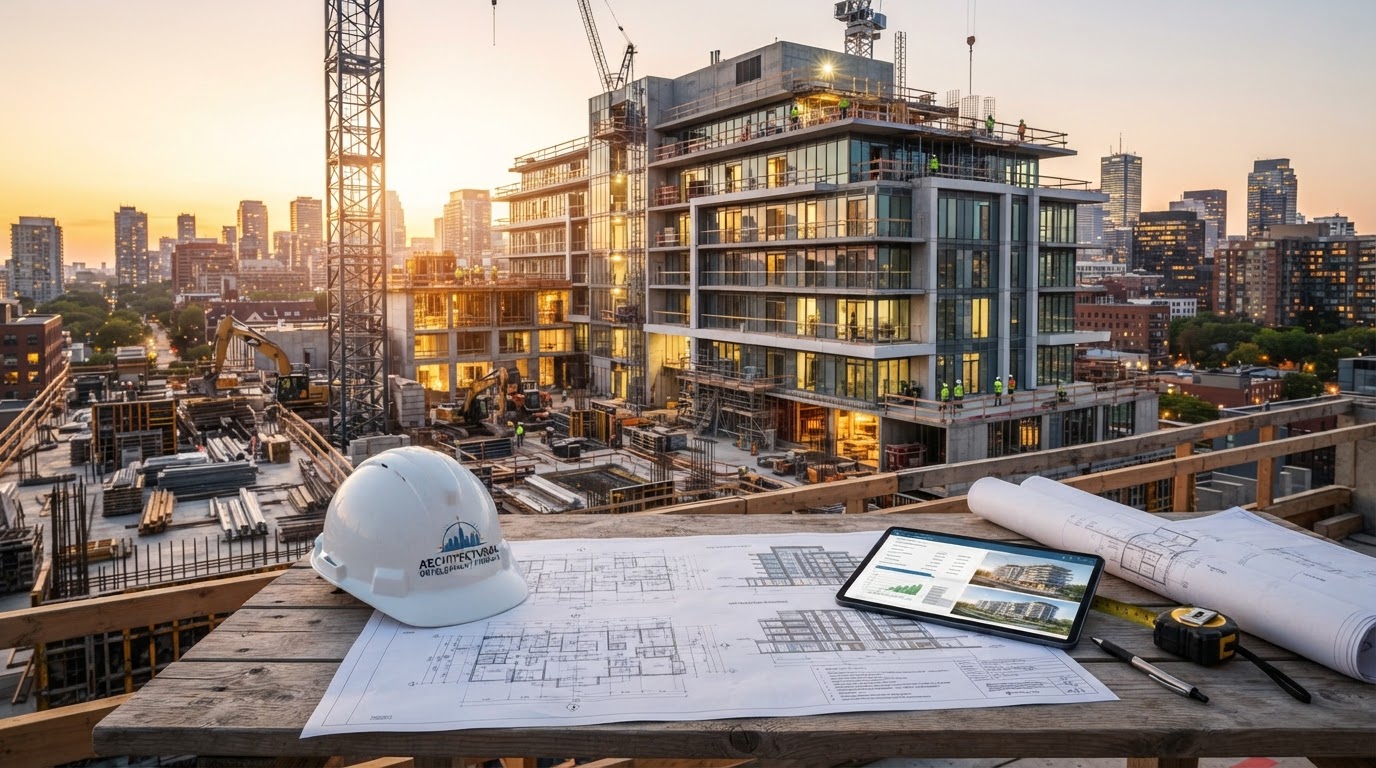
Development Finance at a Glance
Development finance is short-term funding for property development projects. It can help with land purchase, build costs, professional fees and staged works.
Funds are usually released in stages as the project progresses. Lenders normally assess the site, planning position, build costs, Gross Development Value (GDV), borrower experience and exit strategy. A clear plan matters — the stronger the project evidence, the easier it can be to approach suitable lenders.
What is Development Finance?
Development finance is a type of short-term property loan used to fund construction, conversion or major refurbishment work.
Unlike a standard mortgage, the lender looks closely at the project itself. They may review the land, planning status, build schedule, expected costs, professional team and final value. Development finance is often repaid when the completed property is sold or refinanced.
This type of finance may be suitable for:
- New build residential developments
- Commercial to residential conversions
- Heavy refurbishment projects
- Mixed-use property developments
- Semi-commercial schemes
- Multi-unit apartment projects
- Land with planning permission
- Property projects held in a limited company
If your project involves buying or refinancing an existing commercial property, see our Commercial Mortgage Guide.
Who Uses Development Finance?
Development finance is often used by developers, landlords, investors, and businesses planning property projects.
You may be looking to buy land, convert an existing building, build several homes or refurbish a property before selling or refinancing. It may also suit limited companies that need structured funding for a property development plan.
You may need development finance if:
- You are building from the ground up
- The property is not currently mortgageable
- The work includes structural changes
- Funds are needed in stages
- The project depends on planning consent
- You need finance based on the future value
- You plan to sell or refinance after completion
For lighter works or faster property purchases, Bridging Finance may be more suitable.
Development Finance vs Bridging Finance
Development finance and bridging finance are both short-term funding options. However, they are used for different needs.
| Feature | Development Finance | Bridging Finance |
|---|---|---|
| Main purpose | Building, conversion or major refurbishment | Short-term property funding |
| Funding release | Usually staged | Usually upfront |
| Lender focus | Build costs, GDV, planning and exit | Current value, security and exit |
| Typical use | New builds, conversions, heavy works | Auction purchase, chain break, light works |
| Repayment | Sale or refinance after completion | Sale, refinance or another exit route |
Read more in our Bridging Loan Guide.
How Development Finance Works
Development finance is arranged around the cost, timeline and future value of the project.
The lender provides an initial amount for the land/site, followed by staged drawdowns checked by a monitoring surveyor or quantity surveyor before each release.
Typical Journey:
- 1Initial project review
- 2Site, planning and cost assessment
- 3Development appraisal
- 4Lender agreement in principle
- 5Valuation and monitoring surveyor review
- 6Legal work and facility agreement
- 7Initial drawdown
- 8Staged funding releases
- 9Project completion
- 10Sale or refinance to repay the loan
What Lenders Look At
Development finance lenders want a clear and realistic picture of the project, assessing the borrower, site, proposed works and repayment plan.
Important Criteria:
- Purchase price or current land value
- Planning permission position
- Build costs and professional fees
- Contingency allowance
- Gross Development Value (GDV)
- Loan to cost
- Loan to Gross Development Value
- Borrower experience
- Contractor and professional team
- Timescale and build programme
- Exit strategy
- Demand for the completed property
Gross Development Value (GDV) is the estimated value of the completed project. Lenders use GDV when assessing risk, loan size, and repayment terms.
Mortgage Advice..
Thinking of getting development finance? Our experienced team of skilled mortgage advisers are here to offer the essential guidance you require. Relying on our comprehensive understanding of the market, we'll ensure you secure the perfect facility to suit your project.
What Can Development Finance Cover?
Development finance can cover several key components of a property scheme:
- Buying land
- Funding construction costs
- Funding conversion works
- Paying professional fees
- Supporting heavy refurbishment
- Funding mixed-use development
- Creating residential units
- Improving a site before sale
- Completing works before refinance
Development Finance for New Builds
New build projects need staged funding because site value increases as work progresses. Lenders review:
- Planning consent
- Site ownership
- Construction method
- Build cost schedule
- Contractor experience
- Expected sales values
- Local demand
- Exit strategy
Conversions & Refurbishments
Supports converting commercial sites to residential units, splitting houses into flats, or major structural works.
Light refurbishment may suit short-term bridging finance, whereas larger structural conversions benefit from staged development drawdowns.
Exit Routes for Development Finance
Lenders need to understand how the loan will be repaid (the exit strategy).
Common Exit Routes:
- Selling the completed property
- Refinancing onto a buy-to-let mortgage
- Refinancing onto a commercial mortgage
- Moving onto development exit finance
- Retaining the completed units for rental income
If units will be rented: see our Buy-to-Let Mortgage Options.
Is Development Finance Right for Your Project?
Development finance may be suitable if your project needs staged funding and a clear build plan. Ask yourself:
- Is planning permission in place?
- Are build costs realistic?
- Is there enough contingency?
- Is the contractor experienced?
- Is the GDV supported by evidence?
- Is the exit route clear?
- Is the project held personally or through a company?
- Could bridging finance be more suitable?
- Could a commercial mortgage be needed after completion?
Why Speak to Trinity Mortgages?
Development finance can be complex because every site is different. One lender may focus on borrower experience, while another focuses more on GDV, location, planning or exit route.
We can help with:
- Reviewing your project at an early stage
- Explaining lender expectations and staged funding
- Considering bridging or commercial alternatives
- Helping you prepare a stronger application
Ready to Discuss Your Project?
Speak to our dedicated commercial and development finance team for extensive range of lenders guidance tailored to your site and timeline.
Most frequent questions and answers
FAQs: Development Finance
What next?
We will come back to you quickly to let you know how we can help. If you would like to speak to us immediately, call us on 020 3745 7727.