
HMO Property
An HMO property can offer strong rental income, but it is not a standard buy-to-let. Lenders may look closely at the property layout, number of tenants, licence position, rental income, landlord experience and ownership structure.
At Trinity Mortgages, we help landlords understand HMO mortgage options before they apply. This may include buying an HMO, remortgaging an existing shared rental property, converting a standard rental home or expanding a wider landlord portfolio.
If your property plans involve multiple unrelated tenants sharing facilities, the right advice can save time, reduce confusion and help you approach suitable lenders.
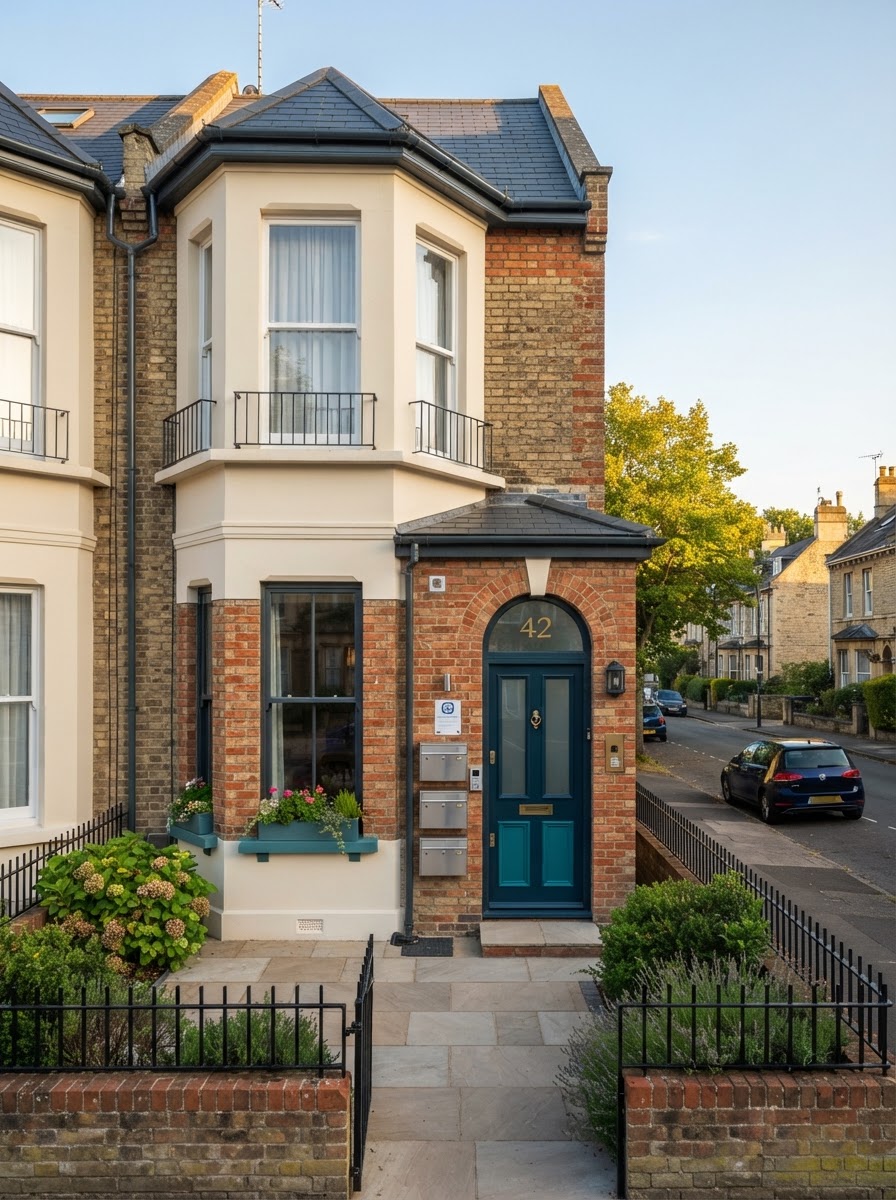
HMO at a Glance
An HMO property, or House in Multiple Occupation, is usually a property rented by at least three people who are not from one household and who share facilities such as a kitchen, bathroom or toilet.
For mortgage purposes, an HMO is often treated differently from a standard buy-to-let. This is because the lender may need to assess shared occupation, room rents, licensing, valuation, tenant demand and property management.
You may need HMO mortgage advice if you are:
For a wider overview of landlord finance, read our Buy-to-Let Mortgage guide or use our Buy To Let Affordability Calculator.
What Is an HMO Property?
An HMO property is a shared rental home where several tenants live as separate households. They usually have their own bedrooms and share facilities such as kitchens, bathrooms, hallways or living areas.
Common examples include:
- Student shared houses
- Professional house shares
- Co-living rental properties
- Larger shared homes with five or more tenants
- Converted properties let by the room
Some smaller HMOs may be treated differently by lenders and local councils. Larger HMOs are more likely to need licensing. Local rules can also vary, so landlords should check the relevant council requirements before buying, converting or letting.
Why HMO Properties Need Specialist Mortgage Advice
HMO mortgages can be more detailed than standard buy-to-let mortgages. This is because the lender is not only looking at the rent. They may also look at how the property is used, how many tenants will live there and whether the property meets HMO standards.
A lender may check:
- Number of bedrooms or lettable rooms
- Whether tenants are related or unrelated
- Shared facilities and room layout
- Expected rental income per room
- Whether the property has, or needs, an HMO licence
- Fire safety and property standards
- Landlord experience
This is why an HMO property may need a specialist lender. Some high street lenders do not accept HMOs, while others only accept certain types.
Who Can an HMO Property Mortgage Help?
An HMO mortgage may be suitable for landlords and investors with a clear shared rental strategy.
It may help if you want to:
- Buy your first HMO property
- Move from single-let property into shared housing
- Refinance an existing HMO
- Release equity from an HMO
- Convert a property into a house share
- Buy a larger licensed HMO
- Build a portfolio of HMO properties
- Buy through a limited company or SPV
If you already own several rental properties, lenders may assess you as a portfolio landlord.
HMO Mortgage Requirements
Each lender has its own criteria. However, HMO applications often require more evidence than standard buy-to-let cases.
You may need to provide:
- Proof of deposit
- Property details and address
- Expected room-by-room rental income
- Tenancy details, where available
- Current or expected HMO licence information
- Planning information, where required
- Evidence of landlord experience
Some lenders may prefer experienced landlords, while others consider first-timers if the case is strong.
Licensing & Council Rules
HMO licensing rules can affect both the letting strategy and the mortgage application. Larger HMOs usually require a licence, and some councils impose additional licensing on smaller shared homes.
Before committing, check:
- Whether the property needs an HMO licence
- Whether local Article 4 rules affect conversion
- Whether the room sizes meet local standards
- Whether fire doors, alarms or escape routes are needed
- Whether the kitchen and bathroom facilities are suitable
- Whether waste and management standards apply
- Whether the property use is acceptable to the lender
Always check your local council's HMO rules and Article 4 planning directions before applying.
Key Differences
HMO Property vs Standard Buy-to-Let
A standard buy-to-let usually involves one household renting the whole property. An HMO usually involves multiple tenants from different households sharing parts of the home.
| Area | Standard Buy-to-Let | HMO Property |
|---|---|---|
| Tenant setup | Usually one household | Several unrelated tenants |
| Rent structure | One rent for the whole property | Rent may be charged per room |
| Lender choice | Often wider | Often more specialist |
| Management | Usually simpler | Usually more active |
| Licensing | Often not required | May be required |
| Valuation | Standard rental property basis | May involve specialist assessment |
| Experience | Some lenders accept new landlords | Some lenders prefer experience |
Buying an HMO Property
Buying an HMO is not only about the purchase price. The lender may want to know whether the property is already operating as an HMO or whether conversion work is needed.
Before applying, consider:
- Is the property already let as an HMO?
- Does it have the correct licence?
- Will you need refurbishment work?
- Is the expected rent realistic?
- Are the rooms suitable for tenants?
- Is there demand for shared housing locally?
If refurbishment or conversion work is needed before letting, short-term finance may fit. See our Bridging Loan page.
Remortgaging an HMO Property
You may want to remortgage an HMO property to review your current deal, raise funds, move to a new lender or support portfolio growth.
A lender may review:
- Current property value
- Current rental income
- Occupancy level
- Room rents
- Licence position
- Mortgage payment history
Remortgaging can release equity to fund further HMO acquisitions or portfolio improvements.
HMO Property Through a Limited Company
Some landlords buy HMO properties through a limited company or special purpose vehicle (SPV). This can affect lender choice, tax planning, legal work and future portfolio strategy.
A lender may review:
- Company structure
- SIC code
- Directors and shareholders
- Personal guarantees
- Deposit source
- Rental income
- Existing company borrowing
- Accountant input, where relevant
Tax treatment depends on personal circumstances. Speak to a qualified tax adviser before choosing an ownership structure.
HMO Property vs Multi-Unit Freehold Block
An HMO and a Multi-Unit Freehold Block (MUFB) are not the same.
An HMO usually has tenants sharing facilities (such as kitchens and bathrooms). A Multi-Unit Freehold Block usually contains separate self-contained flats under one freehold title.
The difference matters because lenders may assess the property differently. Licensing, valuation, rental income and management can also differ.
Shared facilities: treated as an HMO.
Separate flats with own facilities: treated as a multi-unit freehold property.
HMO Property Benefits
HMO properties can appeal to landlords because rent is often collected from multiple tenants. This can support stronger gross rental income when compared with single-let properties.
- Multiple rental streams from one property
- Demand from students and working professionals
- Less reliance on one tenant
- Potential for higher gross rental yield
- Flexibility when rooms become vacant
- A clear route for experienced landlords to grow
However, higher rent does not always mean higher net profit. HMO properties entail higher running costs and active management.
HMO Property Risks
An HMO property can be a strong investment, but it needs careful planning and active operational oversight.
- Higher refurbishment costs
- Fire safety requirements
- Licence costs and renewals
- More active property management
- Higher wear and tear
- Utility and maintenance costs
- Tenant turnover
- Local council enforcement
- Lender restrictions
- Valuation differences between lenders
A thorough HMO mortgage application considers both income and risk, presenting a clearer profile to underwriters.
Mortgage Advice..
Thinking of getting a mortgage? Our experienced team of skilled mortgage advisers are here to offer the essential guidance you require. Relying on our comprehensive understanding of the mortgage market, we'll ensure you secure the perfect mortgage to suit your specific situation.
Most frequent questions and answers
FAQs: HMO Property
What next?
We will come back to you quickly to let you know how we can help. If you would like to speak to us immediately, call us on 020 3745 7727.